Fatima Articles and Talks
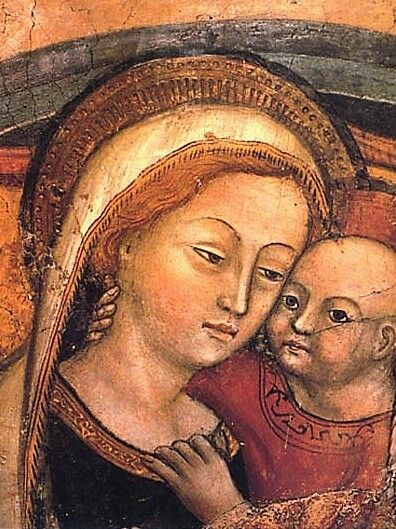
The devotion is associated with a miraculous apparition in 1467 at Genazzano, Italy, where an image of Mary and the Child Jesus appeared in an ancient church. This shrine transformed into a site of pilgrimage, with numerous miracles later linked to Mary's intercession there. Catholics celebrating this feast seek Mary’s assistance in obtaining wise counsel, particularly when faced with challenging decisions, family issues, and spiritual matters. The title “Good Counsel” signifies Mary as a wellspring of wisdom and steadfast guidance.
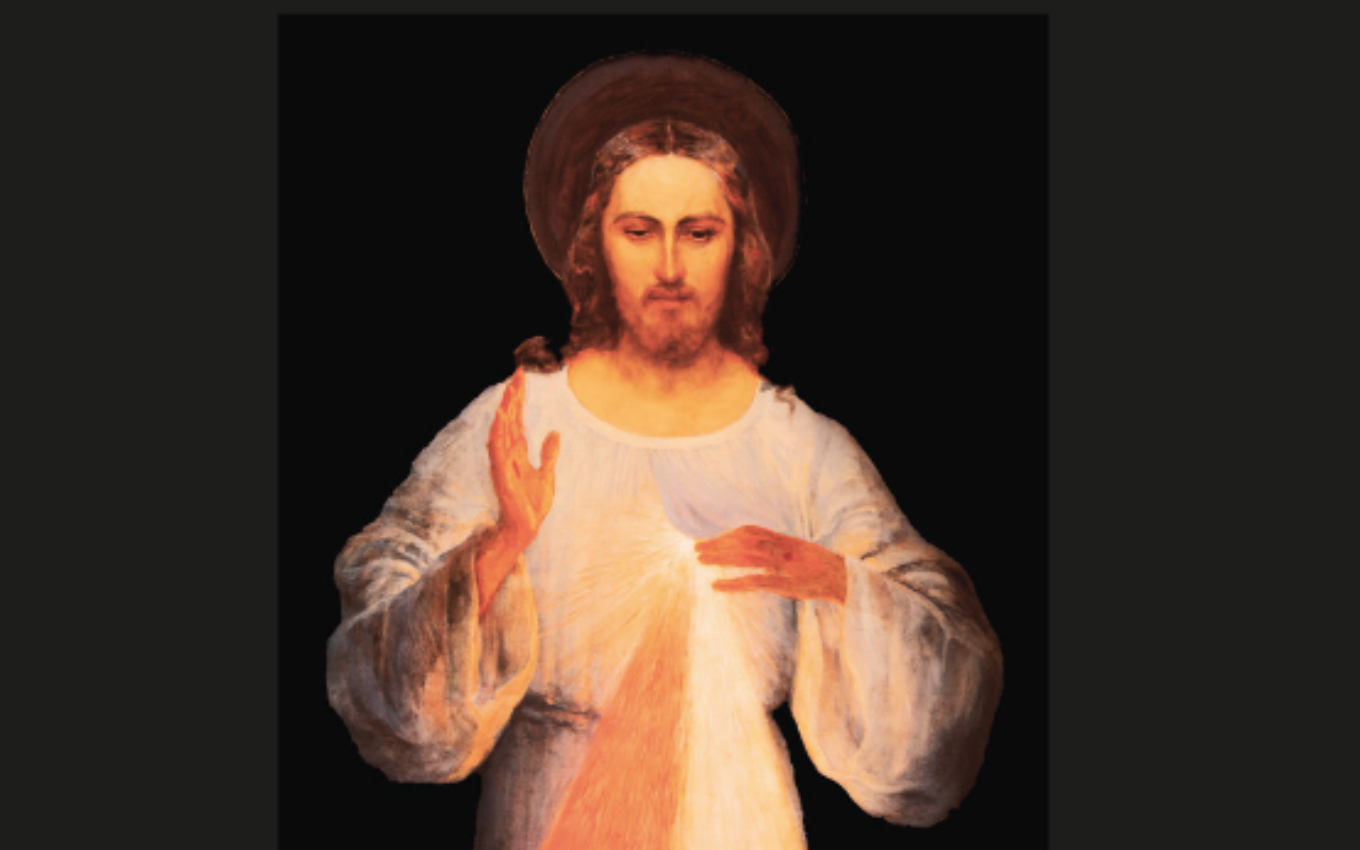
Just one week after Easter, the Church brings us to Divine Mercy Sunday , a feast that is not an added devotion or a spiritual “extra,” but a profound continuation of the Paschal mystery. It draws our attention to the heart of the Gospel: that the death and resurrection of Jesus reveal a God whose mercy is stronger than sin, fear, and even death itself. In a world overshadowed by conflict and uncertainty, this truth becomes a source of hope that cannot be shaken. The Angel of Peace , who calls humanity to repentance, reparation, and Eucharistic adoration, stands as a heavenly reminder that peace begins not in political strategies but in the human heart. Before peace can be built, it must be received. Before it can be shared, it must be adored. The Risen Christ and the Gift of Peace In the Sunday’s Gospel, the disciples are gathered behind locked doors, fearful and disoriented after the violence of Good Friday. Their world has been shaken by betrayal, injustice, and brutality. Into this atmosphere of fear, the Risen Christ enters and speaks the words that echo across every age: “Peace be with you.” This is not a fragile peace. It is the peace of the One who has conquered death. It is the peace of a God whose mercy is not defeated by human cruelty. It is the peace that the Angel of Peace invites us to adore in the Eucharist, the peace that flows from the wounded Heart of Christ. Jesus shows His wounds, not as reminders of failure, but as signs of a love that absorbs violence without returning it. These wounds are the wellspring of Divine Mercy. They reveal that God’s answer to sin is forgiveness, God’s answer to fear is peace, and God’s answer to death is life. Adoration as the Path to Peace The Angel of Peace taught the children of Fatima to bow low before the Eucharistic Lord, offering reparation for the sins of the world and praying for peace. This gesture of adoration is not passive. It is the beginning of transformation. To adore Christ is to let His mercy reshape us. To adore is to surrender our fears, our resentments, and our helplessness before the One who alone can bring peace. To adore is to allow the Paschal mystery, Christ’s death and resurrection, to become the pattern of our own lives. In a world wounded by war, adoration becomes an act of spiritual resistance. It refuses to let hatred have the final word. It opens the heart to the mercy that alone can heal nations, families, and individuals. Thomas and the Mercy That Meets Us Where We Are A week after Easter, Thomas, one of the 12 Apostles, encounters the Risen Lord. He is struggling, wounded by grief and confusion. Jesus does not rebuke him. Instead, He meets Thomas with tenderness, offering exactly what he needs to believe. Divine Mercy is always personal. It reaches into the places where fear, doubt, and sorrow have taken root. Thomas’s journey ends with one of the most beautiful confessions of faith in Scripture: “My Lord and my God!” This is the cry of adoration. This is the cry the Angel of Peace invites us to make before the Eucharistic Christ. This is the cry that transforms the heart and opens it to peace. Mercy Stronger Than the World’s Wounds Divine Mercy Sunday reminds us that the Paschal mystery is not only something Christ accomplished long ago, it is something He continues to pour into the world today. His mercy is stronger than the wars that rage, stronger than the divisions that tear communities and families apart, stronger than the fears that trouble our hearts. As we adore the Risen Lord, may the Angel of Peace guide us into deeper trust, deeper surrender, and deeper compassion. And may the mercy flowing from the Heart of Christ bring healing to our world, our communities, our families and our own hearts. Praying the Divine Mercy Chaplet The Chaplet is a simple yet powerful prayer given through St Faustina, prayed on ordinary rosary beads. It can be offered at any time, but especially at 3 p.m. , the Hour of Mercy. It is an act of adoration, intercession, and peace uniting our hearts to the Heart of Christ for the healing of the world. 1. Begin with: The Sign of the Cross (Optional) “You expired, Jesus…” prayer 2. On the Our Father bead: Our Father… 3. On the Hail Mary bead: Hail Mary… 4. On the Creed bead: I believe in God… 5. On each “Our Father” bead of the five decades: “Eternal Father, I offer You the Body and Blood, Soul and Divinity of Your dearly beloved Son, our Lord Jesus Christ, in atonement for our sins and those of the whole world.” 6. On each of the ten “Hail Mary” beads: “For the sake of His sorrowful Passion, have mercy on us and on the whole world.” 7. After five decades, repeat three times: “Holy God, Holy Mighty One, Holy Immortal One, have mercy on us and on the whole world.” 8. End with the Sign of the Cross.
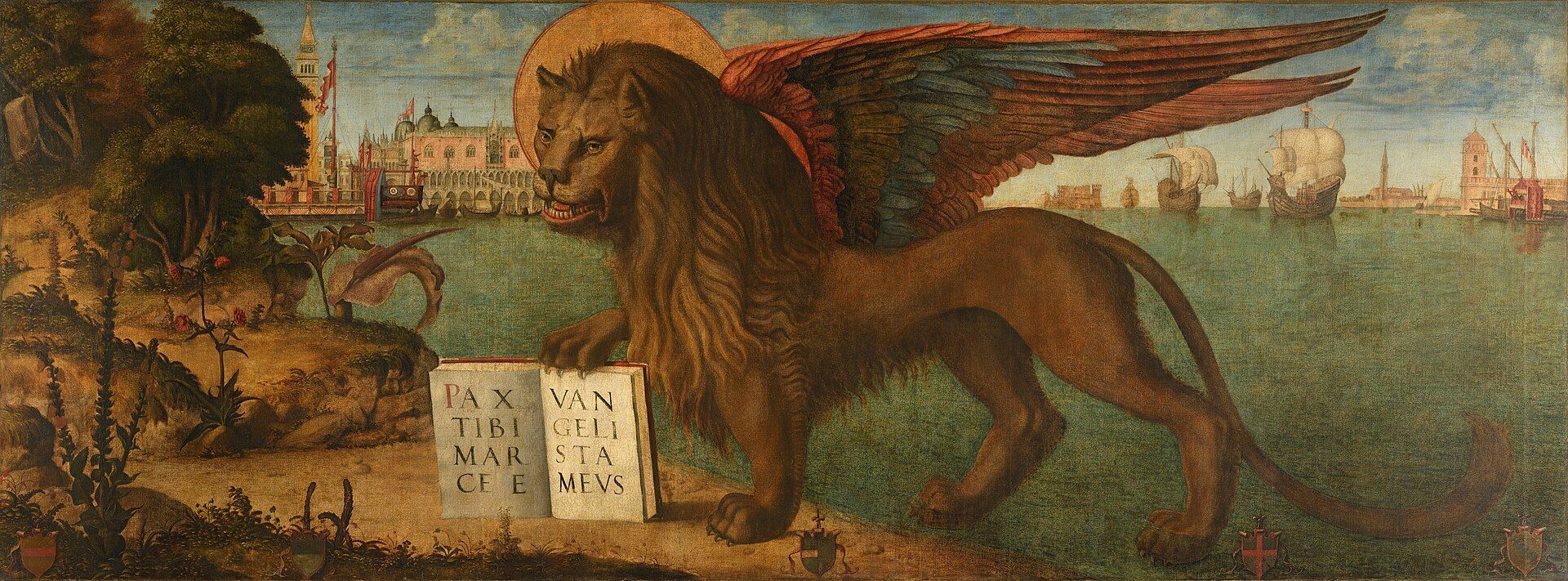
St Mark the Evangelist feast is celebrated on the 25th of April with the liturgical colour red , honouring him as both Evangelist and martyr. His 16 chapter Gospel is the shortest, yet one of the most vivid, is usually read in Liturgical Year B , which starts on the first Sunday of advent the 29th of November 2026. St Mark is traditionally represented by a winged lion , a symbol drawn from the prophet Ezekiel’s vision of the four living creatures and later applied to the four Evangelists. The lion reflects the strength and boldness of Mark’s Gospel, which opens with the powerful voice of John the Baptist “crying out in the wilderness” like a lion’s roar. The wings point to the divine inspiration of the Gospel and its mission to lift hearts toward God. Mark’s message also resonates deeply with the Fatima call to conversion, prayer, and peace. His Gospel opens with Jesus’s summons: “Repent, and believe in the Gospel” , the very appeal the Angel of Peace and Our Lady repeated at Fatima. Mark’s emphasis on watchfulness (especially in chapter 13) mirrors Fatima’s warning to remain spiritually awake. His bold portrayal of Christ’s Passion echoes Fatima’s vision of redemptive suffering offered for the salvation of souls. And in scenes such as the calming of the storm, Mark reveals that true peace flows only from the presence of Christ, just as Our Lady of Fatima promises the triumph of God’s peace through conversion and adoration. St Mark guides us to adore Christ with renewed awe, to seek peace rooted in God’s mercy, and to proclaim the Good News with the same courage that marked the early Church. His Gospel invites us to stand before Christ as the Angel of Peace taught the children of Fatima: in humility, in trust, and in adoration that transforms the world. Read St Mark's gospel here... Other reading about St Mark is here...
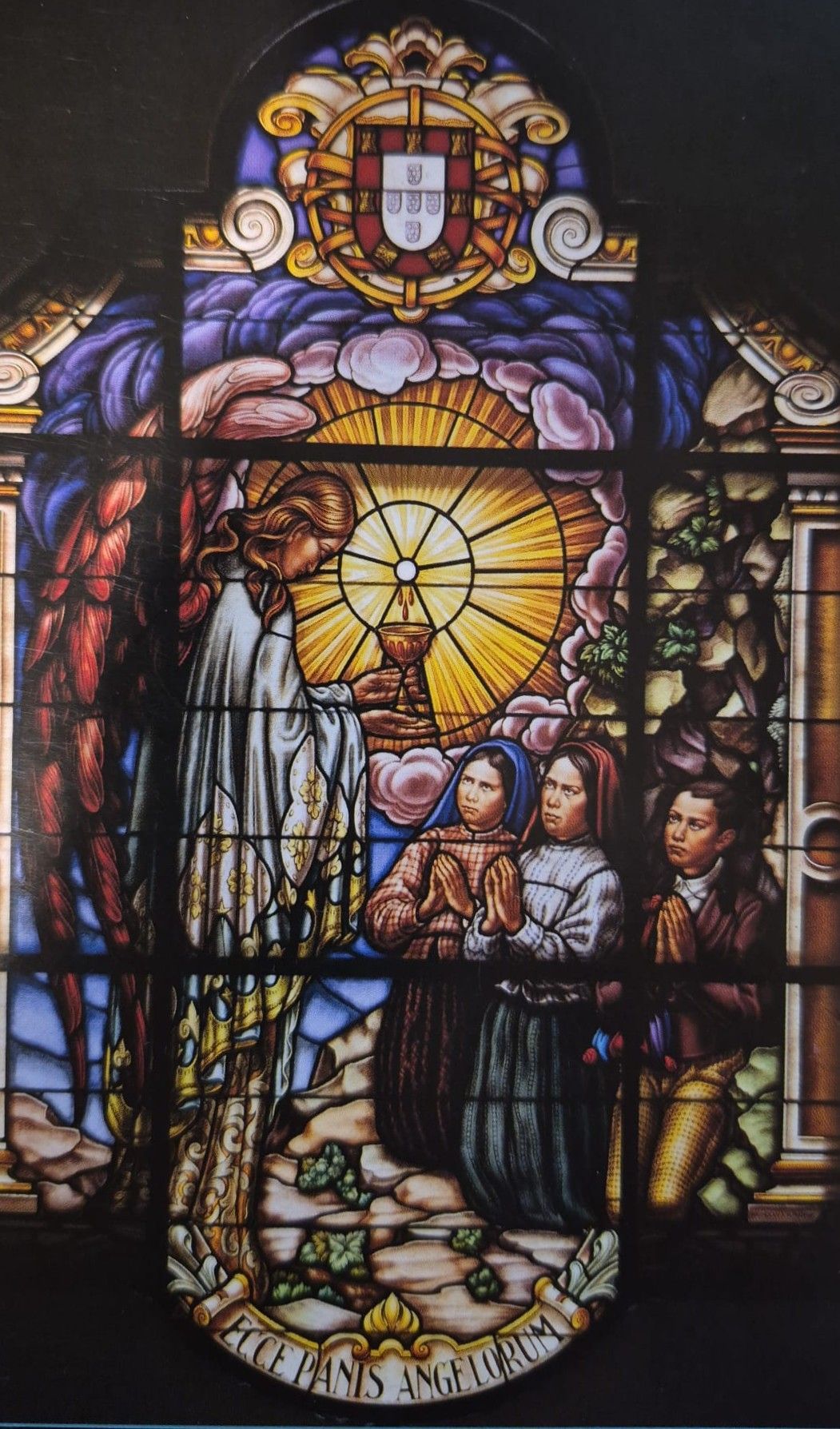
By The Rev. Alexander D. Pumphrey, MIC; Interim Director - Divine Mercy Apostolate
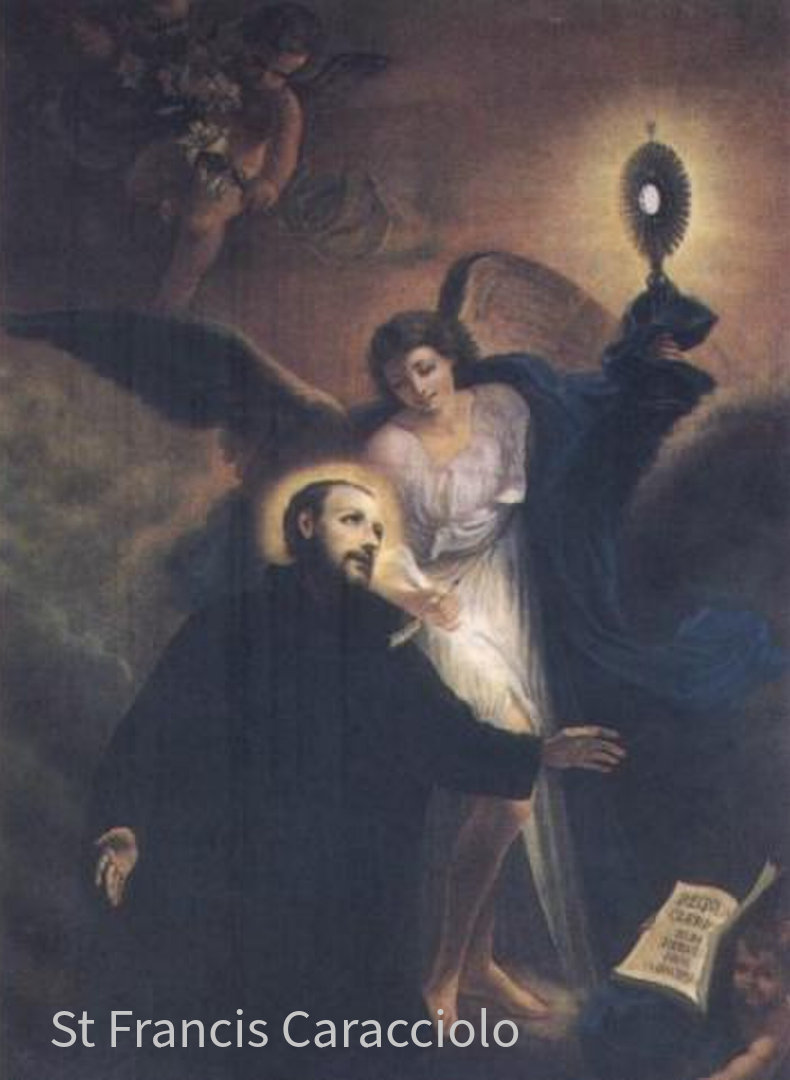
The Eucharist is at the very heart of the Church’s life. As the Catechism of the Catholic Church teaches, it is “the source and summit of the Christian life” (CCC 1324). In the Blessed Sacrament, Jesus Christ is truly present—Body, Blood, Soul, and Divinity—offering Himself to us not only in the Holy Sacrifice of the Mass but also in the quiet, profound mystery of Eucharistic Adoration. In a world filled with noise, distraction, and restlessness, Eucharistic Adoration invites us into silence, into presence, and into love. It is here that we learn not merely to speak to God, but to be with Him. The Mystery of the Real Presence At the foundation of Eucharistic Adoration lies the Church’s unwavering faith in the Real Presence of Christ. The Catechism affirms: “In the most blessed sacrament of the Eucharist the body and blood, together with the soul and divinity, of our Lord Jesus Christ… are truly, really, and substantially contained” (CCC 1374). This belief is not a later development but is rooted in the earliest Christian tradition. The Fathers of the Church spoke with clarity and conviction. St. Cyril of Jerusalem taught: “Do not doubt whether this is true; rather receive the words of the Savior in faith, for since He is the Truth, He cannot lie.” Likewise, St. Augustine urged the faithful: “Recognize in the bread what hung on the cross, and in the chalice what flowed from His side.” Thus, when we come before the Eucharist, we do not come before a symbol, but before a Person—Jesus Christ Himself. Adoration, therefore, is not merely a devotion; it is an encounter. What is Eucharistic Adoration? Eucharistic Adoration is the act of worshiping Christ present in the Blessed Sacrament, whether reserved in the tabernacle or exposed in a monstrance. The Catechism reminds us: “Adoration is the first attitude of man acknowledging that he is a creature before his Creator” (CCC 2628). In Adoration, we acknowledge God’s greatness and our dependence on Him. But more than that, we respond to His love with love. We come as children to the Father, as friends to a friend, as disciples to the Master. A Simple Guide to Adoration Many people hesitate to spend time in Adoration because they do not know what to do. Yet, Adoration is beautifully simple. It is not about saying many words, but about being present to the One who loves us. Here are some practical steps: Begin with Reverence Enter the chapel quietly. Genuflect with awareness that you are in the presence of Christ. Allow your body to express your faith. Offer Your Heart Start with a simple prayer: “Lord, I am here. I believe You are here. I adore You.” Place yourself before Him just as you are—with your joys, struggles, and distractions. Read and Reflect on Scripture Sacred Scripture deepens our encounter. Passages such as John 6, the Last Supper narratives, or the Passion accounts help us meditate on the mystery of Christ’s love. Spend Time in Silence Silence is essential. It is in silence that we begin to listen. As St. John Vianney observed when seeing a man praying before the tabernacle: “He looks at me, and I look at Him.” Speak to the Lord Share your thoughts, concerns, and gratitude. Speak to Jesus as you would to a close friend. Nothing is too small or too great to bring before Him. Intercede for Others Adoration naturally leads to intercession. Pray for your family, your parish and parish priest, the Church, and the world. End with Thanksgiving Before leaving, thank the Lord for the time spent with Him. Ask for the grace to carry His presence into your daily life. The Witness of the Saints The saints have always been great lovers of the Eucharist. Their lives testify to the transformative power of Adoration. St. Alphonsus Liguori wrote: “Of all devotions, that of adoring Jesus in the Blessed Sacrament is the greatest after the sacraments.” St. Teresa of Avila encouraged her sisters: “Let us remain with Him who we know loves us.” St. Padre Pio once said, “It would be easier for the world to survive without the sun than to do without the Holy Mass.” This same conviction fueled his deep love for Eucharistic Adoration. These saints remind us that holiness is born not from activity alone, but from intimacy with Christ. St. Francis Caracciolo and Perpetual Adoration Among the great apostles of the Eucharist stands St. Francis Caracciolo (1563–1608), a pioneer of Perpetual Adoration in the Church. As co-founder of the Clerics Regular Minor, he placed the Eucharist at the very center of their life and mission. St. Francis Caracciolo promoted continuous Adoration of the Blessed Sacrament, ensuring that day and night, the Lord would be adored without interruption. His vision was simple yet profound: that Jesus in the Eucharist should never be left alone. He himself spent long hours before the Blessed Sacrament, drawing strength, wisdom, and love from this intimate communion. He encouraged his religious with these words: “Let us go to the feet of Jesus in the Sacrament and remain there like the Magdalene.” His example continues to inspire the Church today, especially in the growing movement of perpetual adoration chapels around the world. The Fruits of Adoration Eucharistic Adoration bears immense spiritual fruit. It deepens our faith, strengthens our hope, and inflames our love. It brings peace to restless hearts and clarity to confused minds. Pope St. John Paul II once wrote that Adoration prolongs and intensifies all that takes place during the liturgical celebration itself. In other words, what begins at the altar continues in the silence of Adoration. Through Adoration, we are gradually transformed into the likeness of Christ. As we gaze upon Him, we become what we behold. A Call to Rediscover Adoration In the message of Fatima, Our Lady called for prayer, reparation, and a deeper love for Jesus present in the Eucharist. The Angel of Peace taught the children to adore the Blessed Sacrament, saying: “My God, I believe, I adore, I hope, and I love You.” Today, this call remains urgent. The Church invites us to rediscover the beauty and power of Eucharistic Adoration—not as an optional devotion, but as a vital encounter with the living God. For in the Eucharist, heaven touches earth—and in Adoration, we learn to dwell in that mystery. Let us respond generously. Let us make time to be with Jesus. Let us sit at His feet, like Mary of Bethany, choosing “the better part.” Fr. Robin Mampallithadathil CRM
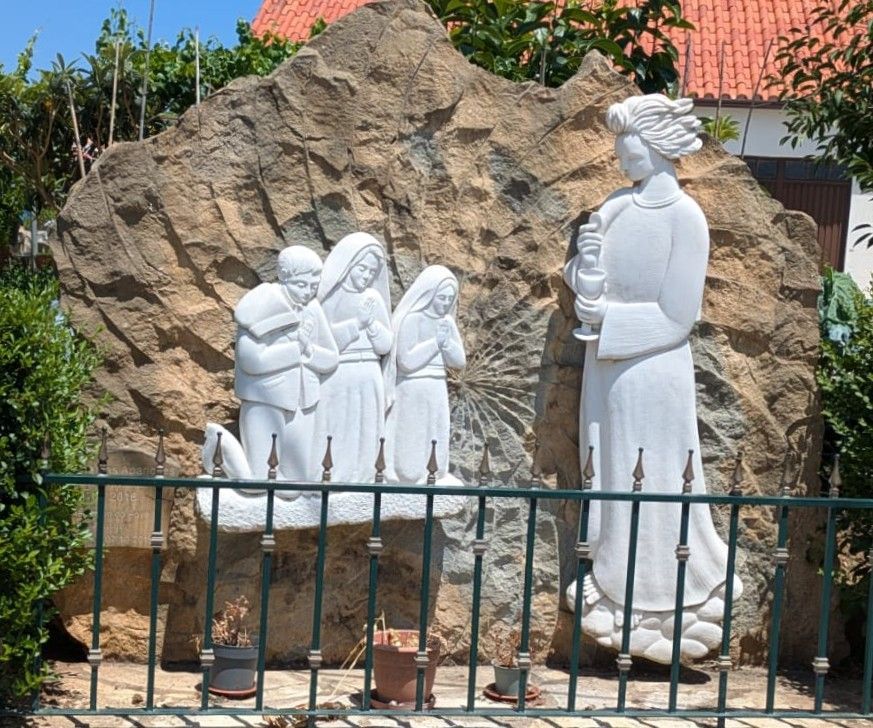
As Catholics, what do we understand by Adoration? One of the characteristics or marks of all the baptised is the worship of God, the proper and true adoration of the Trinity. Through the water of Baptism, we are set aside to worship and adore God alone as His priestly people. The true worship and adoration which we give to God the Most High is the Holy Sacrifice of Mass, the Sacred Eucharist, where in this Sacrament of Love we unite with Christ’s sacrifice, and offer our sacrifice to Our Heavenly Father. Every time we come to Mass, we are at the foot of the Cross, ready to receive from Christ all the graces He bestows upon us to make us more into His likeness. How fortunate we are to be able to receive Our Blessed Lord in the Eucharist, which is the source and summit of Christian faith (cf. CCC 1324), whenever we can. He is our true Bread of Life that sustains us on our earthly journey towards the Heavenly Promised Land. Therefore, He deserves our true adoration, praise and worship. St. Maximilian Kolbe says, “If angels could be jealous of men, they would be so for one reason: Holy Communion.” In the Sacred Eucharist, we draw life from Him, we have access to His Divine love, His Divine being; we unite ourselves with Him, we are one with Him. Let us not take this wonderful gift, which Our Lord Jesus left for us, His Sacred Body, Blood, Soul, and Divinity, for granted. By receiving Him in the Sacred Eucharist, we become more like Him and ready to offer up our very selves to God. The more we come to understand what Jesus went through in His Passion and death on the Cross, the more we come to embrace our sufferings with complete trust in God. With this background in mind, we turn to the message which the Angel of peace gave to the three shepherds of Fatima; we come to understand the purpose of their mission: to pray, to adore Our Lord Jesus Christ in the Blessed Sacrament with great zeal, reverence and love, and to embrace their sufferings and unite them with Jesus’s sufferings and offer them to the Father for the salvation of poor souls. This message is not only for them but also speaks and applies to us. We are called to continue to make the message of the Angel alive today in our time. We are invited to continue to pray, to adore Our Lord in the Blessed Sacrament and worship Him in the Holy Sacrifice of the Mass daily, and to make sacrifices for the salvation of all humanity. We may ask the same questions as the children did, “How are we to make sacrifices?” Let the answer which the Angel of Peace gave to the children speak to us as well, “Make everything you can a sacrifice and offer it to God as an act of reparation for the sins by which He is offended, and in supplication for the conversion of sinners. Above all, accept and bear with submission the suffering which the Lord will send you.” We have to fulfil our duty as priestly people of God: to give worship to God as Christ, Our High Priest, does and to pray for others as Christ does. We have this great opportunity to be in the presence of God every day; let us not miss it. Article written by Sr Mary Goncalves 3 March 2026 Daughters of Divine Charity
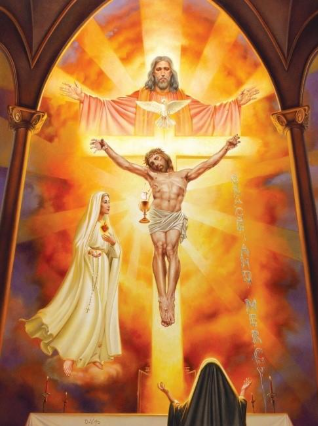
The apparitions at Fatima, Pontevedra, and Tuy represent a profound theological "call to arms." At their core is a challenging message that mirrors the words of St. Paul to the Colossians: "I am filling up what is lacking in the afflictions of Christ on behalf of his body, which is the church" (Col 1:24). This statement often startles. How could Christ’s infinite sacrifice on the Cross be "lacking"? The message given to the three shepherd children—Lucia, Francisco, and Jacinta—clarifies this mystery. While Christ’s Passion is sufficient for the salvation of all, God invites human participation to apply those graces to individual souls. Through penance and sacrifice , we become co-redeemers in the mystical body of Christ. The words penance and reparation are often used interchangeably in a spiritual context, although they have a distinct focuses and functions. A simple way to distinguish them is to look at their direction: penance looks back at a debt due to our sinfulness, while sacrifice looks forward, with an offering of love by self-denial for either ourselves or for someone else as an act of reparation (including for the holy souls in purgatory). Penance is primarily concerned with reconciliation and healing. An example could be going to confession and saying prayers of reparation or performing an act of service to “make up” for a previous act of selfishness. Sacrifice is a broader act, of voluntary surrendering, of something good for the greater good. It is an act of love to God, in joining our little sacrifice, with Christs death on the cross being the ultimate sacrifice which he made for us. An example could be likened to a mother skipping a meal so her child can eat (sacrifice of comfort). The Call of Fatima: Reparation In 1917, the Angel of Peace and later the Virgin Mary introduced a radical concept to the children: the power of "offering it up." They were asked to pray and make sacrifices for sinners who had no one to pray for them. The Cross was not just a historical event to be admired, but a living reality to be shared. The children’s response—fasting, wearing tight cords, and enduring the heat—wasn't about self-punishment for its own sake. It was an act of reparatory love . By choosing to suffer small crosses, they sought to console the "Hidden Jesus" and pull souls back from the brink of spiritual ruin. Pontevedra and Tuy: The Thorns of the Heart The message evolved in the subsequent visions granted to Sister Lucia at Pontevedra (1925) and Tuy (1929) . At Pontevedra , the Child Jesus and Mary requested the Five First Saturday’s devotion. The imagery was vivid: Mary’s heart was encircled by thorns—representing the blasphemies and ingratitude of humanity. Sacrifice here took the form of the First Five Saturdays devotion: Confession, Holy Communion, Rosary and meditation. At Tuy , Lucia witnessed the Trinitarian vision. Under the left arm of the Cross, large drops of "grace and mercy" fell upon the altar. This reaffirmed that the sacrifice of the Cross is perpetually present in the Eucharist. Filling Up the Afflictions St. Paul’s "missing" element is our consent . Christ died for everyone, but He will not force His grace upon anyone. When we embrace our daily crosses—illness, rejection, or the simple discipline of prayer—we provide the "yes" that allows Christ’s grace to flow into the world. The Fatima message reminds us that the Cross is the only path to the Resurrection. St Therese of Lisieux said sacrifice is the fruit of love; it is the way we prove that our devotion isn't just a feeling, but a will aligned with God's. By uniting our small, finite pains with Christ’s infinite suffering, we don't just "endure" life; we transform it into a tool for the salvation of others. In the words of the Fatima prayer, we do it "for love of Jesus, for the conversion of sinners, and in reparation for the sins committed against the Immaculate Heart of Mary." Article written by Patrick Cunningham 8 Feb 2026 Source Reference: Sister Lucia's memoirs and AI search with SD check by Canon Jason
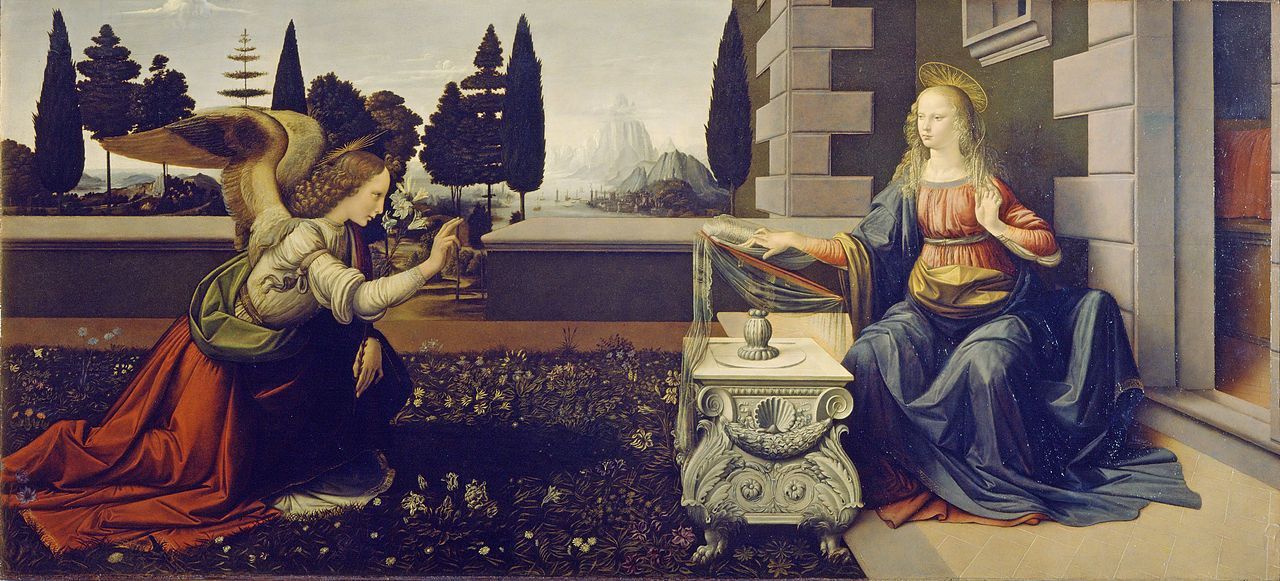
Walsingham, the Annunciation, and Mary’s Dowry: A Marian Vocation for England and Wales
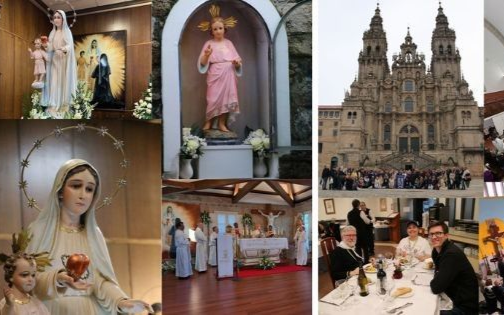
Beginning the Pilgrimage: Inspiration, Preparation, and the Theological-Pastoral Congress Finding Inspiration and Overcoming Challenges Reflecting on this experience, I feel incredibly honoured to have been part of such a unique, once-in-a-lifetime opportunity. The journey began in February 2025 at the Word on Fire conference in London , where I met Brother Jerry Rivera , Regional Coordinator for the World Apostolate of Fatima, Western Europe . He introduced me to the vision behind the upcoming World Apostolate of Fatima (WAF) Theological-Pastoral Congress and Pilgrimage. Instantly inspired, I was eager to take part; however, working at a school made it challenging to get leave during the busy winter term. Receiving Approval and Signs of Encouragement After becoming a permanent staff member, I decided to take a chance and make a special request at my school, which was approved due to the centennial's religious significance. The experience felt spiritually meaningful from the start. I saw rainbows in Portugal and Spain, which I interpreted as signs of encouragement and affirmation for the journey. The Theological-Pastoral Congress: Unity and Spiritual Emphasis The pilgrimage commenced with the Theological-Pastoral Congress, focused on the theme "The Sacred Heart of Jesus and the Immaculate Heart of Mary." Attendees benefited from a diverse range of perspectives, including presentations by bishops, priests, nuns, subject matter experts, and representatives from the International Secretariat. Notably, Sister Angela de Fatima Coelho, Vice Postulator for the Cause of the Beatification/Canonisation of the Venerable Sister Lucia, delivered an address emphasizing core aspects of the Fatima message. She highlighted conversion, prayer, and penance as essential elements for contemporary society, referencing insights originally shared in a 1996 Portuguese radio broadcast. Consecration, Global Prayer, and Collaboration Sister Angela also discussed the history of the Consecration of Russia to the Immaculate Heart of Mary, recalling the apparition at Tuy on 13 June 1929, during which Our Lady communicated to Sister Lucia that the moment had arrived for the Holy Father and global bishops to consecrate Russia. This historical context was particularly resonant in light of the contributions of the Ukrainian delegates, who described their ongoing initiative—a 40-hour global Rosary for peace—and invited participants to dedicate thirty minutes to prayer and sacrifice for peace in Ukraine and worldwide. Outreach and Personal Connections This engagement reaffirmed plans for collaboration with Radio Maria England , aiming to provide radios to local care home residents in 2026, thereby enabling the elderly to remain connected to the international prayer network. Sister Angela further illustrated the significance of personal connection through an account of her visits to her mother, underscoring the importance of bringing joy and happiness to her. Rosary, Procession, and the Vigil of the Immaculate Conception The two-day congress concluded with participants gathering at the Chapel of the Apparitions for the Rosary and a candlelight procession, followed by the Vigil of the Solemnity of the Immaculate Conception. This sequence of events served as a fitting and reverent preparation for the observance of the feast day in a site of profound spiritual significance. Pilgrimage Highlights: Sacred Sites and Spiritual Encounters Visiting the Sites of the Apparitions On Monday, December 8th, the Solemnity of the Immaculate Conception, we visited Valinhos and Loca do Cabeço, sites of important apparitions, and toured the homes of Lucia, Francisco, and Jacinta in Aljustrel. Their simple lives gave deeper meaning to their commitment. During our free time, I got to visit the museum which highlighted even more the simplicity of the lives of the three shepherd children of Fatima. We ended the day with a guided tour of the "Refuge and Path" exhibition at the Basilica of the Most Holy Trinity, highlighting Fatima's 100-year legacy. I got the opportunity to join a long line of confessions and went to perpetual adoration. This experience was very humbling and prepared me for the start of this pilgrimage from Fatima to Pontevedra via Balazar. Sanctuary of Blessed Alexandrina: Lessons in Suffering and Faith Our journey continued on the 9th of December 2025 with a visit to the Sanctuary of Blessed Alexandrina Maria da Costa in Balazar. We prayed at her tomb and participated in a solemn Mass at 12:30 PM. Father Des Farren ( from Ireland) delivered an inspirational homily on Blessed Alexandrina’s life, explaining how she lived solely off the Holy Eucharist for 13 years until her death. This was a true miracle of sustenance as Blessed Alexandrina was bedridden and suffered from progressive paralysis for nearly 30 years of her life. His words on surrendering and accepting the cross moved me to the very core of my being. I was deeply touched by the story of Blessed Alexandrina’s bravery—how she had to escape from the man who sought to abuse her, an act of courage that eventually led to her life of suffering. I prayed fervently for the countless women and children around the world today who are facing similar abuse and who are being silenced. Thinking of Blessed Alexandrina’s decades of being incapacitated also brought my own family members to the front of my mind. It hit very close to home because my own uncle has been bedridden and suffering for fourteen years now. I also felt a deep ache for my other relatives and family friends currently battling cancer—including one facing the heavy trial of stage four. I offered my prayers for all those undergoing severe, long-term illnesses; those who, like Alexandrina, suffer in the quiet shadows of life without much recognition. We must continue to offer our prayers for these "silent cross-bearers" who share in Christ’s suffering every day. This visit was the perfect spiritual preparation for what followed. That evening, just before dinner, we travelled to Pontevedra, Spain for the official opening of the Marian Jubilee and the Centenary celebrations at the Convent Shrine of the Immaculate Heart of Mary. Commemorating the Centenary of the Apparition The following morning marked the 100th anniversary of the apparition of Jesus and Mary, which originally took place on 10th December 1925. This significant milestone was honoured through profound liturgical celebrations, beginning with the morning Mass at the Basilica of Santa Maria Mayor at 11:00 AM. Father Martin presided over the service, and from the outset, there was an overwhelming atmosphere of happiness and peace among the congregation. What made the celebration even more special was Father Martin's thoughtful gesture towards our diverse group of pilgrims. He shared the message of his homily with the Spanish-speaking attendees, who graciously translated his words into English for those of us less fluent. Although the spirit of the Mass had already touched us, hearing the message in our own language made it even more meaningful and impactful, deepening our sense of connection and understanding. Later that day, I spent several hours at the Sanctuary of the Apparitions, also known as the House of the Immaculate Heart of Mary. The time spent in the chapel before the evening Mass at 6:00 PM proved to be deeply moving. The tranquil and sacred atmosphere of this holy place, where Our Lady appeared, allowed me to reflect quietly and truly absorb the peace and grace that permeated the site. Being present in such a hallowed space was an immense gift, and I cherished the opportunity to immerse myself in its spiritual significance. Experiencing the Jubilee Celebrations Musical Unity and Faith When the service began, I felt incredibly blessed to be seated with the choir, singing along just behind the organist. This experience prompted me to reflect on our musical practice in my own parish, and I was struck by the beauty of our shared traditions. Despite differences in language and location, the similarities were unmistakable, deepening my appreciation for our faith. We are truly unified—one community bound together by common beliefs and even the same hymns. Evening Mass and the Apparition Site Whilst I attended the evening Mass, other pilgrims gathered in the courtyard of the House Shrine, reciting the Rosary on the very site where the Child Jesus appeared to Sister Lucia on the 15th of February 1926. It was deeply moving to witness so many priests, mainly from the World Apostolate of Fatima, concelebrating the Mass. Father Des took time to explain the improvements made to the chapel since his previous visit, pointing out the exact location of Sister Lucia’s apparition and describing how the setting faced the cathedral from her bedroom window. Atmosphere and Community The sanctuary itself was beautifully maintained, with volunteers always ready to offer guidance and a warm smile. Following the evening Mass, we joined a truly spectacular candlelight procession, making our way to the Basilica of Santa Maria Mayor. Seeing so many people attend, filling the streets with shared devotion, was an unforgettable experience. As we walked, Marian hymns echoed through the air, and the sight of World Apostolate of Fatima flags waving beside flickering candles powerfully reminded me of our global community. A Moment of Grace There was an atmosphere of pure joy and reverence in Pontevedra . The most emotional moment for me occurred as the statue of Our Lady and the Child Jesus approached the Basilica. When they reached the door, a profound sense of grace seemed to wash over everyone present. The singing became more personal and heartfelt, with candlelight reflecting off the grand entrance, and the air heavy with prayer. I truly felt Our Lady’s presence among us; it was as if we were all united in welcoming them into the Basilica. My heart was full as I realised, I was part of this remarkable 100-year legacy. A Pilgrimage of Profound Encounters A Glimpse of Heaven in Santiago de Compostela In Santiago de Compostela, entering the cathedral felt nothing short of heavenly. The grandeur—bathed in gold, illuminated by radiant light, and watched over by immense angelic figures—created an atmosphere that was truly otherworldly. As I knelt before the altar, tears welled in my eyes and I felt an overwhelming emotion of being in a sacred heavenly place . It felt as if I was gazing directly into the celestial realm itself. In that moment of prayer, I spoke to God, expressing my excitement at the idea that if this was a little taste of Heaven that I got to see , then I greatly looked forward to one day being able to experienc e Heaven in its fullness. Yet, I also affirmed my happiness to remain here on Earth for now, as I am deeply committed to continuing my mission of sharing Our Lady’s message. After this prayerful encounter, our group gathered to pray at the Tomb of the Apostle St. James and took part in the traditional "Abrazo"—embracing the statue of the Saint at the altar. Before leaving, we travelled to the Carmel of Coimbra, where we met the elderly nuns who lived alongside Sister Lucia, and were blessed to receive third-class relics to bring home to our families. A Night of Gratitude and Fellowship Upon our return from Coimbra, we shared a final and memorable evening together. Following dinner, the Secretariat organised a heartfelt programme of gratitude. Members of the Secretariat delivered moving speeches, and a very special gift was presented to the pilgrimage leaders, Nuno and Ana, in recognition of their dedication to the World Apostolate of Fatima . We also took a moment to express sincere thanks to our tour guides, whose excellent organisational efforts made the entire experience so enjoyable. The staff of the Domus Pacis were likewise honoured with tokens of appreciation, acknowledging the exceptional care they provided throughout our stay. Serving as a hotel, retreat centre, and the main office of WAF International, Domus Pacis provides an exceptional atmosphere of unity and belonging, which made our stay there even more memorable. Farewells and Shared Purpose The following morning, we gathered for a final breakfast before checking out. Even as our time together drew to a close, the atmosphere remained one of profound connection and peace, rather than sadness. As we said our farewells, we exchanged contact details and made genuine promises to stay in touch. That last hour was spent "planting seeds" in each other’s missions—pledging to collaborate, share resources, and support one another in spreading Our Lady’s message across our different countries. Returning Home and Embracing the Mission Returning home, I found my team at work weary from the Christmas rush. Aware of the sacrifices they had made in my absence, I chose to keep my joy quiet at first, as a mark of respect for their efforts. Throughout my pilgrimage, I carried my school and colleagues in my heart, offering prayers for them at each holy site as a way of returning the grace I had received. Looking Forward with Renewed Resolve As I look ahead to 2026, this pilgrimage has strengthened my soul and given me renewed clarity of purpose. I am determined to spread Our Lady’s message with even greater fervour—"like wildfire"—and to challenge myself by learning Spanis h and Latin to better understand the liturgy. Inspired by the New Year’s Day homily, I recognise that we cannot remain silent. Instead, we must be courageous, proclaim our faith openly, and move from merely "surviving" to truly living in Grace. Ave Maria and a Blessed 2026 to all!
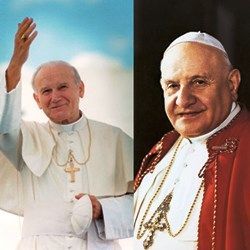
Some quotes from Popes and Saints about Advent St. Ambrose of Milan: “Open wide your door to the one who comes. Open your soul, throw open the depths of your heart to see the riches of simplicity, the treasures of peace, the sweetness of grace. Open your heart and run to meet the Sun of eternal light that illuminates all men” St. John Chrysostom: “Let us prepare for the coming of our Lord with repentance, humility, and acts of charity, for through these the soul adorns itself for the King.” St. Alphonsus Liguori: “During Advent, we learn how to die to ourselves so that Christ may be reborn in our hearts.” Pope Leo XIII: “The progression of the Advent season is like the increasing light from the dawn until the rising sun; we must let this light ignite the flame of charity in our souls.” Pope Pius XI: “Advent is that time of year when the Church prepares herself spiritually for the coming of the Redeemer, the long-awaited Messiah, who brings light into the darkness of the world.” Pope Paul VI: “Let Advent be a spiritual journey toward the Christmas mystery, where there will be found a humble manger, a child who is God himself. Let us prepare ourselves to receive him fully in our hearts.” St. Teresa of Calcutta: “Are we ready to receive Him? Before the birth of Jesus, His parents asked for a simple dwelling place, but there was none. If Mary and Joseph were looking for a home for Jesus, would they choose … your heart, and all it holds? Let us pray that we shall be able to welcome Jesus at Christmas...” St. Pope John Paul II: “Mary sustains our journey toward Christmas, for she teaches us how to live this Advent Season in expectation of the Lord.” Pope Benedict XVI: “Advent is the spiritual season of hope par excellence, and in this season the whole Church is called to be hope, for itself and for the world”.