
The World Apostolate of Fatima England & Wales

OUR LADY OF FATIMA

An invitation from the Immaculate Heart of Mary. A way to happiness and peace through an enriching spiritual journey.

By Canon Jason Jones - National Spiritual Director March 28, 2026
Subject: Saturday Fulfilment on Holy Saturday being 4th April
By Fr Robin Mampallithadathil CRM March 28, 2026
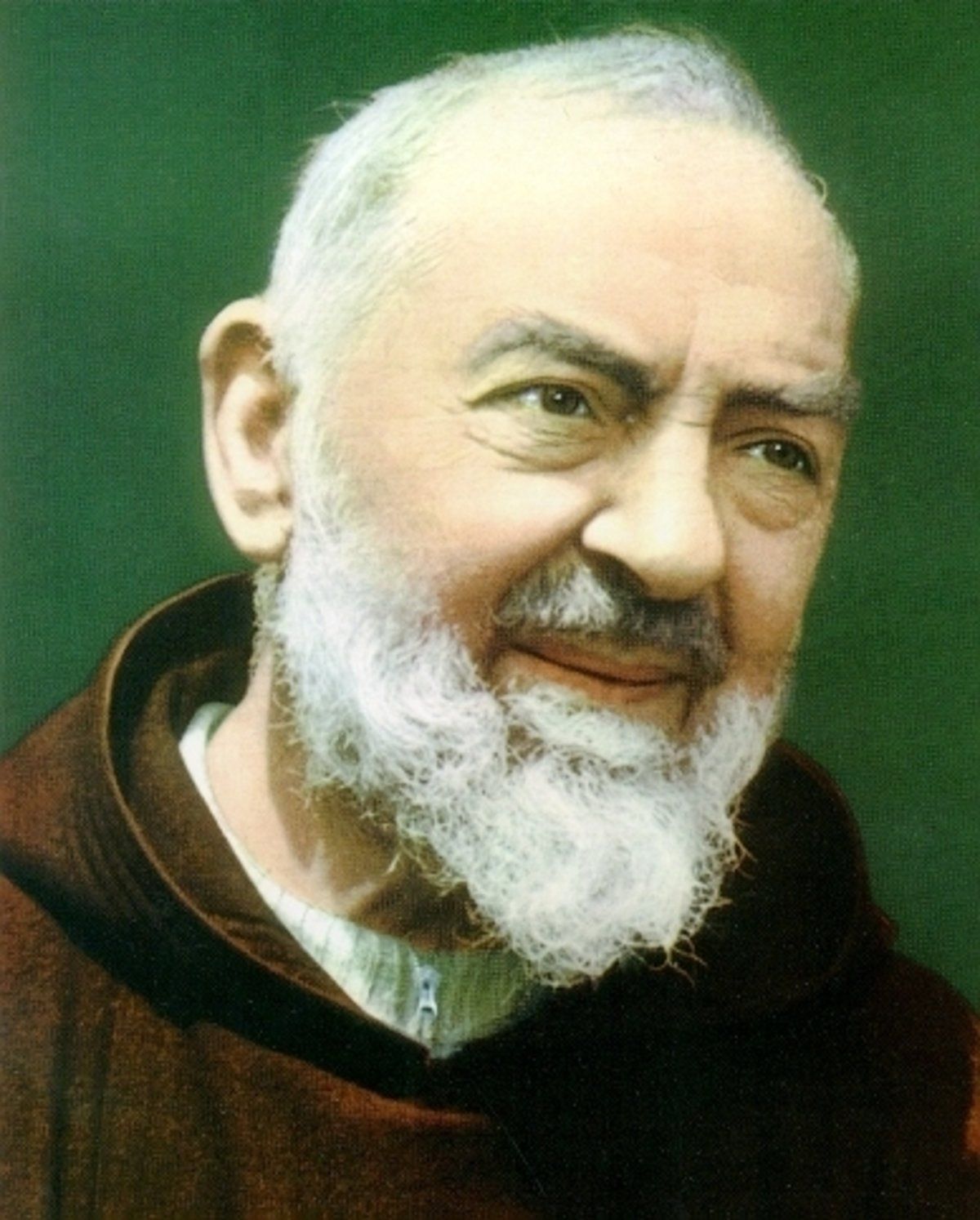
The Eucharist is at the very heart of the Church’s life. As the Catechism of the Catholic Church teaches, it is “the source and summit of the Christian life” (CCC 1324). In the Blessed Sacrament, Jesus Christ is truly present—Body, Blood, Soul, and Divinity—offering Himself to us not only in the Holy Sacrifice of the Mass but also in the quiet, profound mystery of Eucharistic Adoration. In a world filled with noise, distraction, and restlessness, Eucharistic Adoration invites us into silence, into presence, and into love. It is here that we learn not merely to speak to God, but to be with Him. The Mystery of the Real Presence At the foundation of Eucharistic Adoration lies the Church’s unwavering faith in the Real Presence of Christ. The Catechism affirms: “In the most blessed sacrament of the Eucharist the body and blood, together with the soul and divinity, of our Lord Jesus Christ… are truly, really, and substantially contained” (CCC 1374). This belief is not a later development but is rooted in the earliest Christian tradition. The Fathers of the Church spoke with clarity and conviction. St. Cyril of Jerusalem taught: “Do not doubt whether this is true; rather receive the words of the Savior in faith, for since He is the Truth, He cannot lie.” Likewise, St. Augustine urged the faithful: “Recognize in the bread what hung on the cross, and in the chalice what flowed from His side.” Thus, when we come before the Eucharist, we do not come before a symbol, but before a Person—Jesus Christ Himself. Adoration, therefore, is not merely a devotion; it is an encounter. What is Eucharistic Adoration? Eucharistic Adoration is the act of worshiping Christ present in the Blessed Sacrament, whether reserved in the tabernacle or exposed in a monstrance. The Catechism reminds us: “Adoration is the first attitude of man acknowledging that he is a creature before his Creator” (CCC 2628). In Adoration, we acknowledge God’s greatness and our dependence on Him. But more than that, we respond to His love with love. We come as children to the Father, as friends to a friend, as disciples to the Master. A Simple Guide to Adoration Many people hesitate to spend time in Adoration because they do not know what to do. Yet, Adoration is beautifully simple. It is not about saying many words, but about being present to the One who loves us. Here are some practical steps: Begin with Reverence Enter the chapel quietly. Genuflect with awareness that you are in the presence of Christ. Allow your body to express your faith. Offer Your Heart Start with a simple prayer: “Lord, I am here. I believe You are here. I adore You.” Place yourself before Him just as you are—with your joys, struggles, and distractions. Read and Reflect on Scripture Sacred Scripture deepens our encounter. Passages such as John 6, the Last Supper narratives, or the Passion accounts help us meditate on the mystery of Christ’s love. Spend Time in Silence Silence is essential. It is in silence that we begin to listen. As St. John Vianney observed when seeing a man praying before the tabernacle: “He looks at me, and I look at Him.” Speak to the Lord Share your thoughts, concerns, and gratitude. Speak to Jesus as you would to a close friend. Nothing is too small or too great to bring before Him. Intercede for Others Adoration naturally leads to intercession. Pray for your family, your parish and parish priest, the Church, and the world. End with Thanksgiving Before leaving, thank the Lord for the time spent with Him. Ask for the grace to carry His presence into your daily life. The Witness of the Saints The saints have always been great lovers of the Eucharist. Their lives testify to the transformative power of Adoration. St. Alphonsus Liguori wrote: “Of all devotions, that of adoring Jesus in the Blessed Sacrament is the greatest after the sacraments.” St. Teresa of Avila encouraged her sisters: “Let us remain with Him who we know loves us.” St. Padre Pio once said, “It would be easier for the world to survive without the sun than to do without the Holy Mass.” This same conviction fueled his deep love for Eucharistic Adoration. These saints remind us that holiness is born not from activity alone, but from intimacy with Christ. St. Francis Caracciolo and Perpetual Adoration Among the great apostles of the Eucharist stands St. Francis Caracciolo (1563–1608), a pioneer of Perpetual Adoration in the Church. As co-founder of the Clerics Regular Minor, he placed the Eucharist at the very center of their life and mission. St. Francis Caracciolo promoted continuous Adoration of the Blessed Sacrament, ensuring that day and night, the Lord would be adored without interruption. His vision was simple yet profound: that Jesus in the Eucharist should never be left alone. He himself spent long hours before the Blessed Sacrament, drawing strength, wisdom, and love from this intimate communion. He encouraged his religious with these words: “Let us go to the feet of Jesus in the Sacrament and remain there like the Magdalene.” His example continues to inspire the Church today, especially in the growing movement of perpetual adoration chapels around the world. The Fruits of Adoration Eucharistic Adoration bears immense spiritual fruit. It deepens our faith, strengthens our hope, and inflames our love. It brings peace to restless hearts and clarity to confused minds. Pope St. John Paul II once wrote that Adoration prolongs and intensifies all that takes place during the liturgical celebration itself. In other words, what begins at the altar continues in the silence of Adoration. Through Adoration, we are gradually transformed into the likeness of Christ. As we gaze upon Him, we become what we behold. A Call to Rediscover Adoration In the message of Fatima, Our Lady called for prayer, reparation, and a deeper love for Jesus present in the Eucharist. The Angel of Peace taught the children to adore the Blessed Sacrament, saying: “My God, I believe, I adore, I hope, and I love You.” Today, this call remains urgent. The Church invites us to rediscover the beauty and power of Eucharistic Adoration—not as an optional devotion, but as a vital encounter with the living God. For in the Eucharist, heaven touches earth—and in Adoration, we learn to dwell in that mystery. Let us respond generously. Let us make time to be with Jesus. Let us sit at His feet, like Mary of Bethany, choosing “the better part.” Fr. Robin Mampallithadathil CRM
By Sr Mary Goncalves, Daughters of Divine Charity March 28, 2026
As Catholics, what do we understand by Adoration? One of the characteristics or marks of all the baptised is the worship of God, the proper and true adoration of the Trinity. Through the water of Baptism, we are set aside to worship and adore God alone as His priestly people. The true worship and adoration which we give to God the Most High is the Holy Sacrifice of Mass, the Sacred Eucharist, where in this Sacrament of Love we unite with Christ’s sacrifice, and offer our sacrifice to Our Heavenly Father. Every time we come to Mass, we are at the foot of the Cross, ready to receive from Christ all the graces He bestows upon us to make us more into His likeness. How fortunate we are to be able to receive Our Blessed Lord in the Eucharist, which is the source and summit of Christian faith (cf. CCC 1324), whenever we can. He is our true Bread of Life that sustains us on our earthly journey towards the Heavenly Promised Land. Therefore, He deserves our true adoration, praise and worship. St. Maximilian Kolbe says, “If angels could be jealous of men, they would be so for one reason: Holy Communion.” In the Sacred Eucharist, we draw life from Him, we have access to His Divine love, His Divine being; we unite ourselves with Him, we are one with Him. Let us not take this wonderful gift, which Our Lord Jesus left for us, His Sacred Body, Blood, Soul, and Divinity, for granted. By receiving Him in the Sacred Eucharist, we become more like Him and ready to offer up our very selves to God. The more we come to understand what Jesus went through in His Passion and death on the Cross, the more we come to embrace our sufferings with complete trust in God. With this background in mind, we turn to the message which the Angel of peace gave to the three shepherds of Fatima; we come to understand the purpose of their mission: to pray, to adore Our Lord Jesus Christ in the Blessed Sacrament with great zeal, reverence and love, and to embrace their sufferings and unite them with Jesus’s sufferings and offer them to the Father for the salvation of poor souls. This message is not only for them but also speaks and applies to us. We are called to continue to make the message of the Angel alive today in our time. We are invited to continue to pray, to adore Our Lord in the Blessed Sacrament and worship Him in the Holy Sacrifice of the Mass daily, and to make sacrifices for the salvation of all humanity. We may ask the same questions as the children did, “How are we to make sacrifices?” Let the answer which the Angel of Peace gave to the children speak to us as well, “Make everything you can a sacrifice and offer it to God as an act of reparation for the sins by which He is offended, and in supplication for the conversion of sinners. Above all, accept and bear with submission the suffering which the Lord will send you.” We have to fulfil our duty as priestly people of God: to give worship to God as Christ, Our High Priest, does and to pray for others as Christ does. We have this great opportunity to be in the presence of God every day; let us not miss it. Article written by Sr Mary Goncalves 3 March 2026 Daughters of Divine Charity
Collage of pictures from Ukrainian Catholic Cathedral visitation
By Marie Yakeza Te-Mendoza - Diocesan Promoter (Westminster) WAF England & Wales March 28, 2026
My Reflective Account of the Visitation of the National Pilgrim Virgin Statue of Our Lady of Fatima together with the Relics of Saints Francisco and Jacinta to the Ukrainian Catholic Eparchy of the Holy Family (Ukrainian Catholic Cathedral)

YOUR INVITATION - EMBRACING THE MESSAGE OF FATIMA

The Fatima Message is the Heaven-sent guidance to enable us to change our lives and the world around us

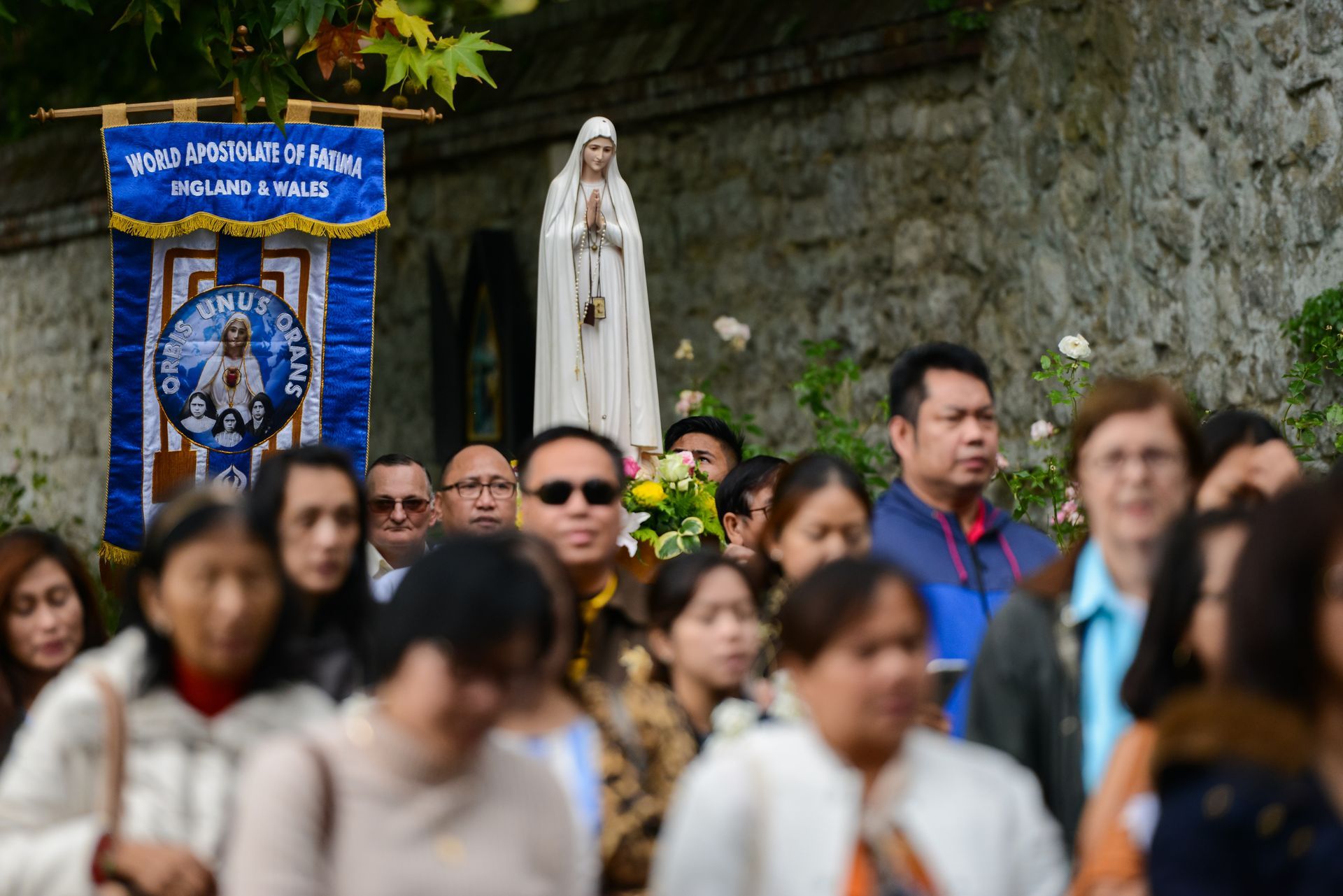
WAF (World Apostolate of Fatima) England and Wales is actively involved in promoting the profound message of Fatima through a series of Visitations to cathedrals and churches, showcasing the National Pilgrim Virgin Statue of Our Lady of Fatima, along with the revered Relics of Saints Jacinta and Francisco.


In order to embrace the Message of Fatima we need to live the devotion to Our Lady’s Immaculate Heart given to us at Fatima. We also need to fulfil her requests - to pray the Rosary daily for peace, and to practice the Five First Saturdays devotion of reparation. The fruits of these practices will help us to live a happier and more fulfilling Catholic life, and work for peace in the world.

2025 Five First Saturday Centenary Year - Find your nearest parish location

FATIMA PILGRIMAGE

REGISTER FOR FATIMA NEWS AND UPDATES

How does our Mother, Mary, see us?

WITH A MOTHER'S GAZE

Our Lady is surely concerned by the alarming state of the world, a consequence of the systematic elimination of fundamental values that has lead to ongoing conflicts - and she is saddened by our lack of hope and purpose.


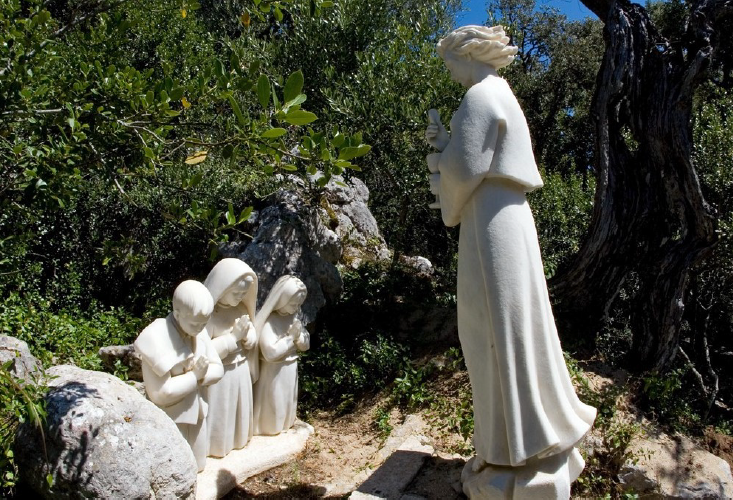
Mary came to Fatima to restore our hope, establish peace and guide us to the wonders for which God created us.


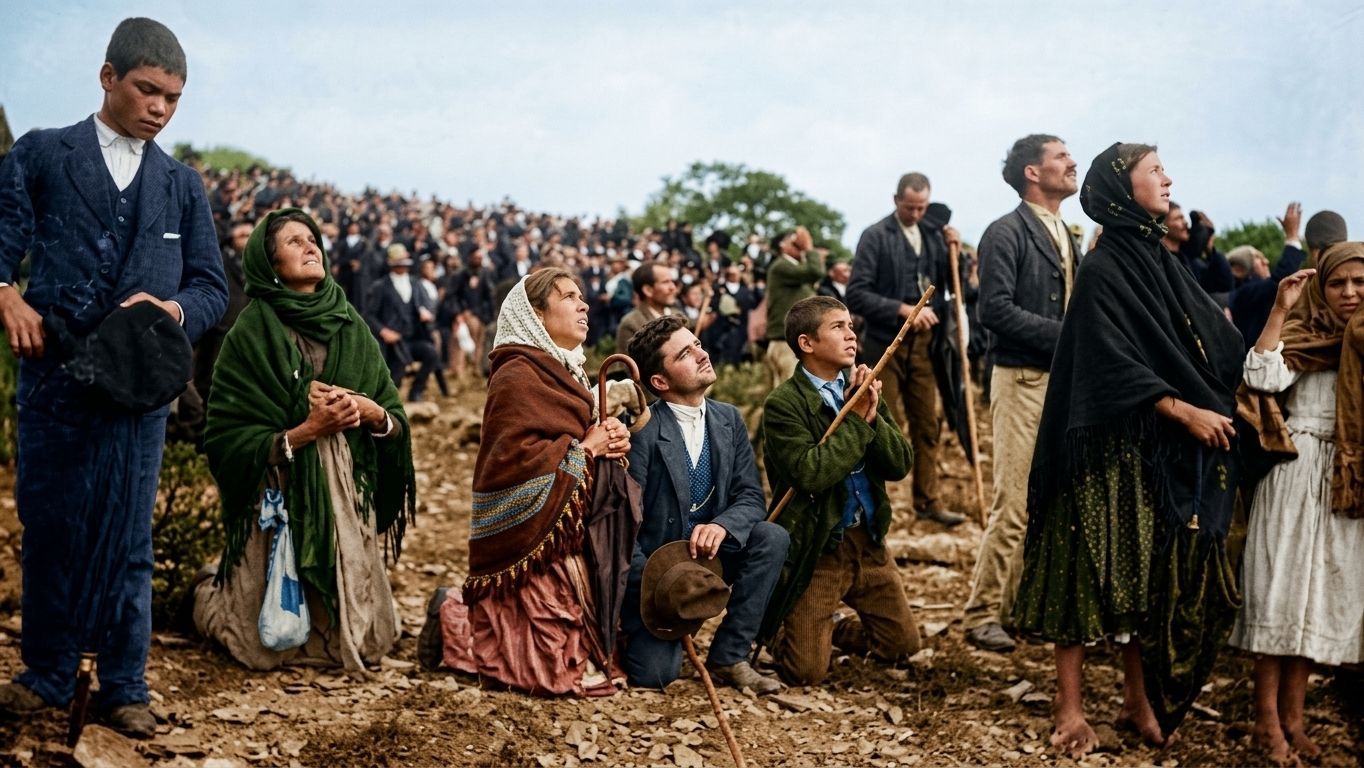
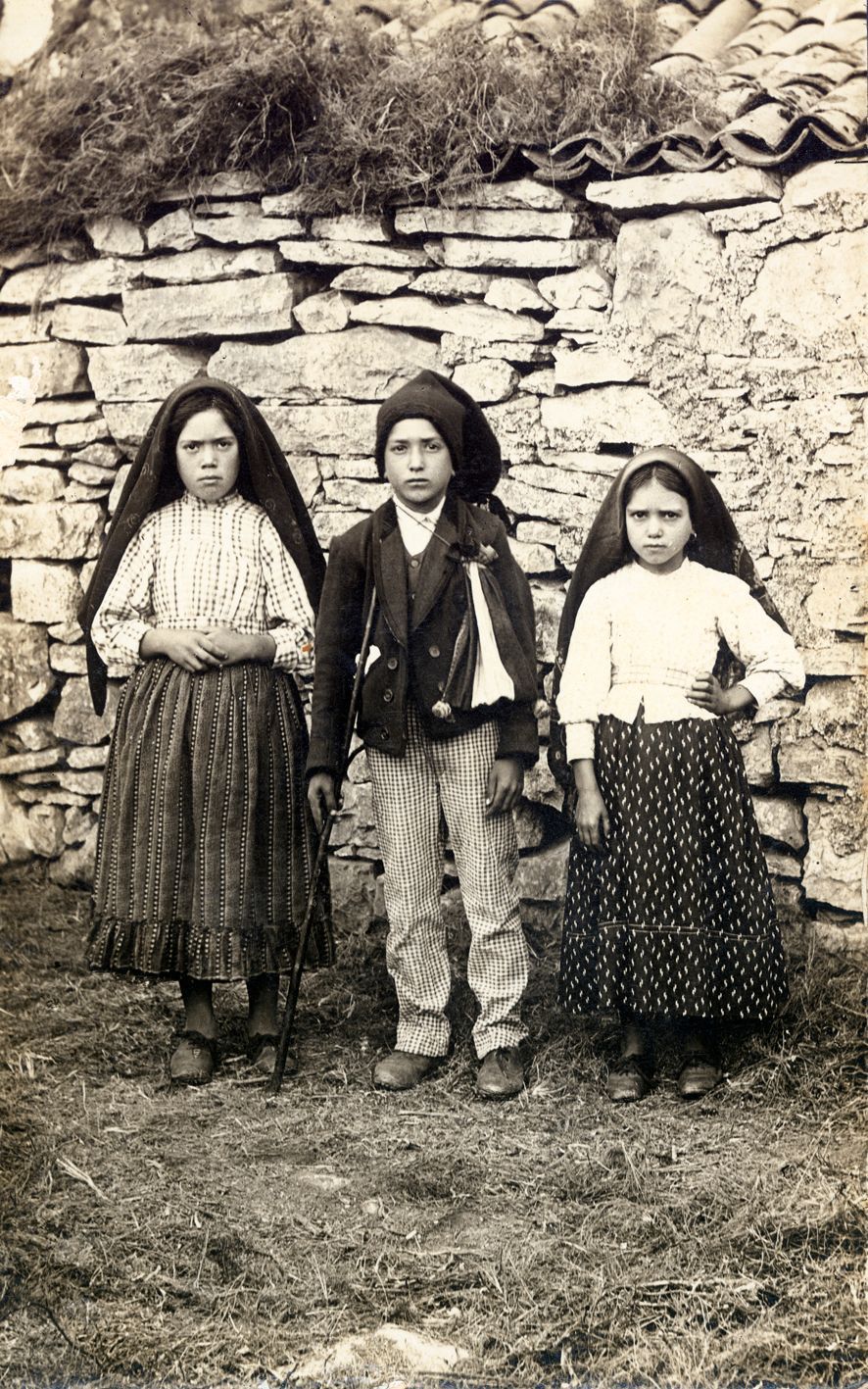
At Fatima on 13 June 1917, Our Lady said to the children:


“Jesus wants to use you to make Me known and loved. He wishes to establish the devotion to My Immaculate Heart throughout the world. I promise salvation to those who embrace it, and those souls will be loved by God like flowers placed by me to adorn His throne. … My Immaculate Heart will be your refuge and the way that will lead you to God.”'


'While the message of Our Lady of Fatima is a motherly one, it is also strong and decisive. It sounds severe...It invites to repentance. It gives a warning. It calls to prayer. It recommends the Rosary.''  (Pope St. Pope John Paul II)


MARY CAN CHANGE HISTORY

THROUGH FATIMA, HISTORY HAS BEEN CHANGED

The story and the message of Fatima demonstrates that our future can be changed for the better through Our Lady. 

The Fatima message is the Heaven-sent guidance which is meant to change our lives and the world around us.


For more about the Fatima apparitions from May to October 1917:

OUR LADY'S  PLAN TO RESTORE HOPE AND ESTABLISH PEACE

A MESSAGE FOR THE CHURCH AND THE WORLD

Fatima represents a profound invitation to experience true happiness and inner peace. This invitation from Mary is a  call for all of us to open our hearts and respond with faith and devotion to her requests.

Embracing Fatima's call means accepting Mary’s invitation to transform one’s life through prayer, reflection, and commitment to spiritual growth.


Our Lady showed the seers the way to heaven, and we too can attain happiness, peace and salvation by responding to the Message of Fatima.


“To know the message is to know the Gospel, to live the message is to live the Gospel. To accept the message is to accept Revelation as interpreted by the authentic Magisterium of the Church.


There is almost no article of the Faith of the Church which is not reaffirmed, explicitly or implicitly, in the message of Fatima, understanding this in its widest and deepest sense.”

The Fatima Message embodies a profound call to holiness, urging the faithful to embrace a new way of life marked by prayer, penance, and a deeper commitment to God.

This message is not only a means of  individual transformation but also serves as a vital instrument in aiding the New Evangelisation, encouraging believers to spread the gospel in a modern context.

Furthermore, it wholeheartedly promotes devotion to Our Lady’s Immaculate Heart, inviting the faithful to seek her intercession and guidance as they follow the path of Mary and the Seers.


Join us on this exciting mission for our times.

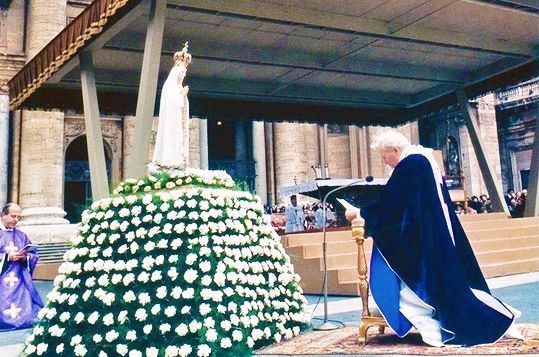
Pope John Paul II consecrated Russia to Our Lady's Immaculate Heart, 25 March 1984

WE ARE SEEKING VOLUNTEERS

Are you interested in dedicating your time and skills to a meaningful cause?

We invite new volunteers to join us in our mission and lend their support.