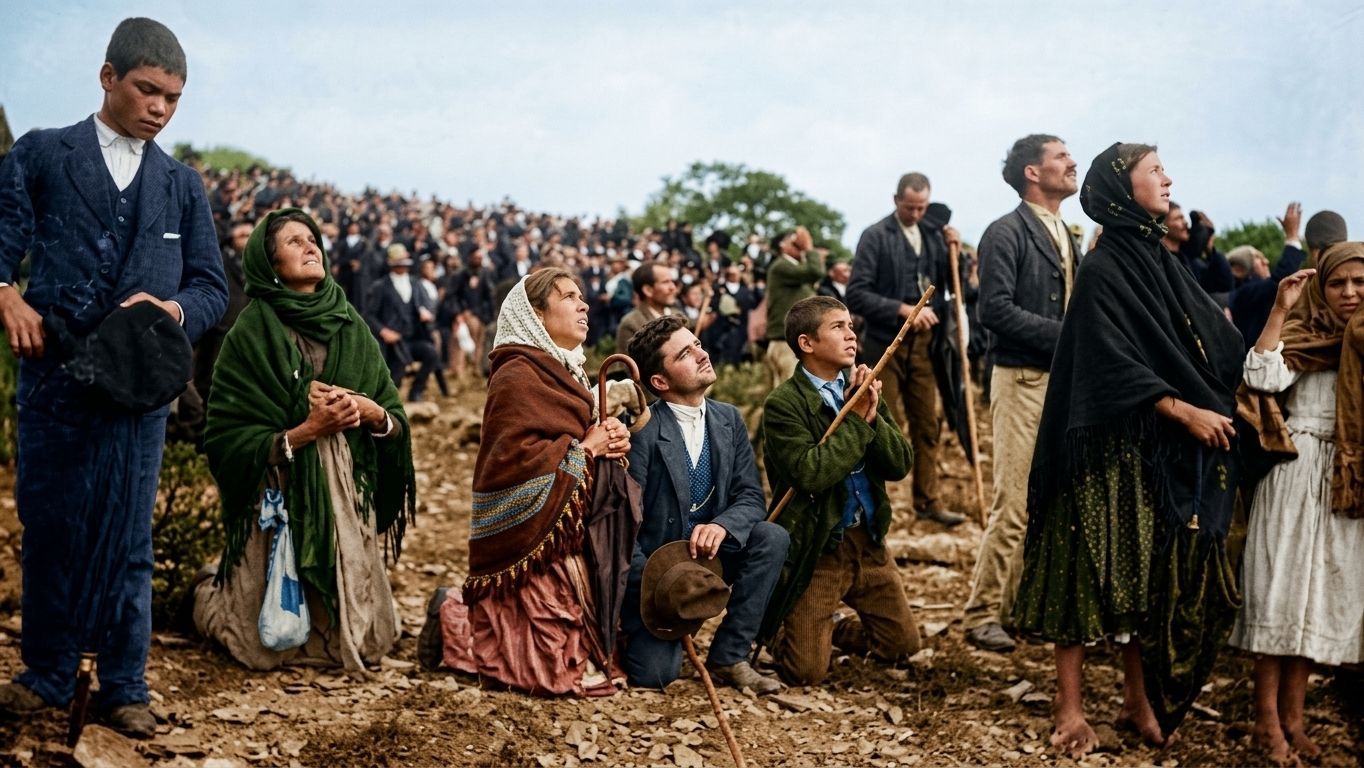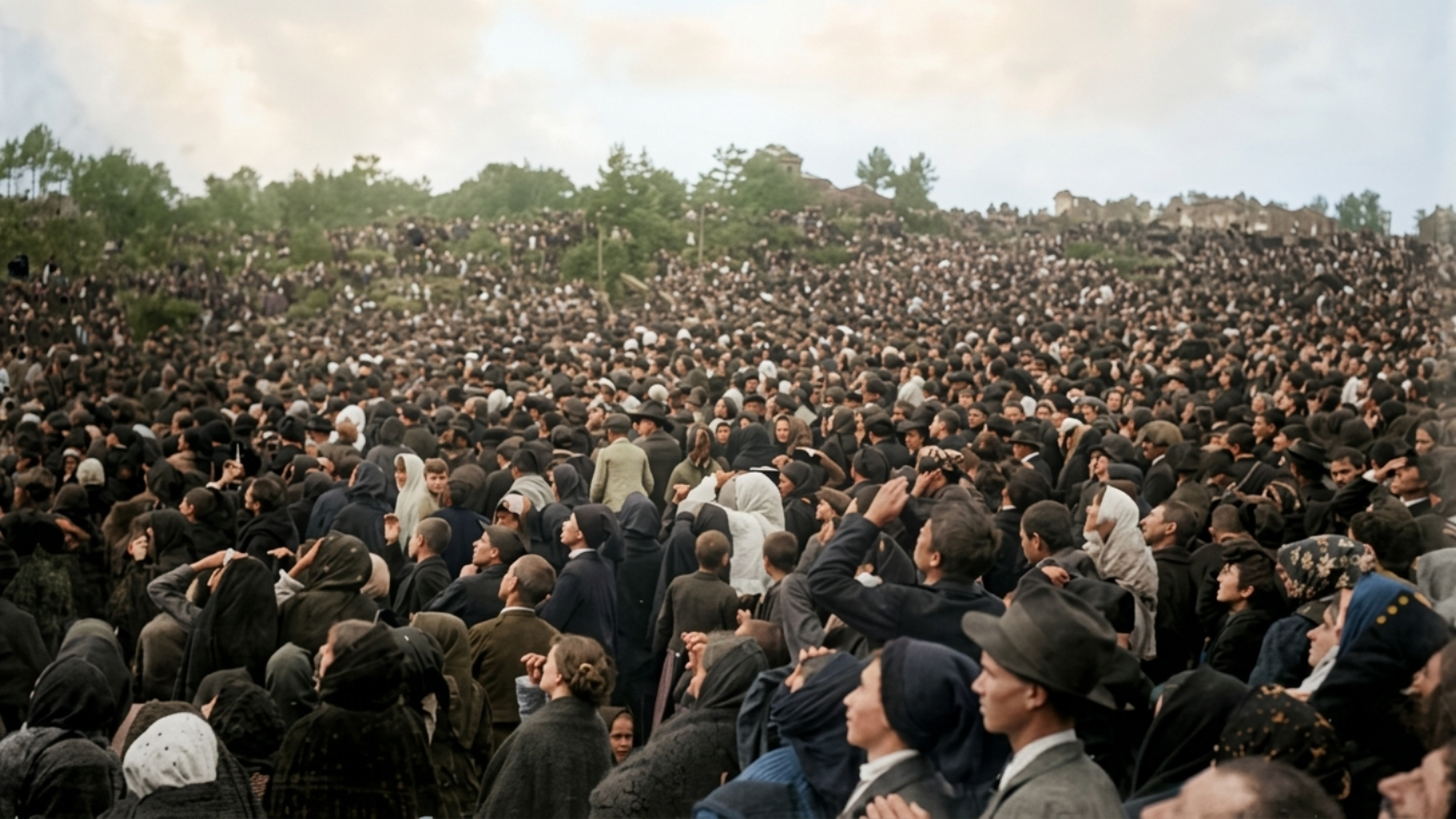
The theme of this August edition, “Confession and the Interrupted Apparition,” invites us to reflect on a central aspect of the Fatima message: the urgent call to conversion of heart. One of the most valuable aids in responding to that call is the Examination of Conscience, a prayerful practice rooted in the Ten Commandments, helping us to look honestly at our lives in the light of God's truth and mercy. In August 1917, the children of Fatima were prevented from reaching the Cova da Iria on the 13th because they had been detained by the local authorities. Yet Our Lady's plans were not frustrated. She later appeared to the children at Valinhos and repeated her appeal for prayer, sacrifice and repentance. Even amid interruption and suffering, Heaven's message remained unchanged: sinners must be converted, and souls must turn back to God. An Examination of Conscience is a beautiful response to that appeal. It is not simply a list of faults or failures. Rather, it is a moment of prayer in which we place ourselves before God and allow His light to shine into the hidden corners of our hearts. Guided by the Ten Commandments, we reflect on our love for God, our relationships with others, our use of the gifts entrusted to us, and the attitudes that shape our daily lives. The children of Fatima understood that sin is not something abstract. They learned from Our Lady and from the Angel of Peace that our actions matter and that God desires the salvation of every soul. Their response was one of humility, prayer and sacrifice. Likewise, when we examine our conscience, we are not simply reviewing our behaviour; we are allowing the Holy Spirit to reveal where we have failed to love as Christ loves. Perhaps we discover moments when prayer has been neglected, when pride has taken root, when we have judged others harshly, or when resentment has found a place in our hearts. Perhaps we become aware of missed opportunities to show kindness, patience or charity. Such discoveries should never lead to discouragement. Instead, they are invitations to draw closer to the merciful Heart of Jesus. This is why the Examination of Conscience is so closely linked to the Sacrament of Reconciliation. A good confession begins long before we enter the confessional. It begins in the quiet of prayer, where we honestly acknowledge our sins and place our trust in God's infinite mercy. The more sincerely we examine our conscience, the more deeply we can experience the healing grace of confession. For members of the World Apostolate of Fatima, this practice holds particular significance. Our Lady did not come to Fatima just to warn humanity about the consequences of sin; she came to show us the way to her Son. Her Immaculate Heart is a refuge that guides us towards repentance, reconciliation and holiness. Every sincere Examination of Conscience is a step along that path. As we reflect on the Interrupted Apparition this month, we are reminded that external events may disrupt our plans, but they need never interrupt God's work within our souls. Let us therefore make time for a regular prayerful Examination of Conscience, approach the Sacrament of Reconciliation with confidence, and respond generously to Our Lady's call to conversion. In doing so, we bring forward in ourselves, the spirit of the Fatima children, who allowed God's grace to transform their hearts and, through them, touch the world. May Our Lady of Fatima help us to see ourselves as God sees us, to repent with sincere hearts, and to rejoice in the boundless Mercy of her Son, Our Lord Jesus Christ. Below is the link on ‘How to make a good confession’ with a detailed ‘Examination of Conscience’ ‘How to make a good confession’ Based on the booklet ‘Divine Beads’ A Family Prayer Book

Conversion in the Christian life is not a single moment but a continuous turning toward God, a lifelong movement of the heart in which the believer constantly returns to the Lord with trust, humility, and love. In this journey, the Blessed Virgin Mary stands as the perfect model of unwavering openness to God, while the Sacrament of Confession becomes the privileged place where this conversion is renewed. Mary, free from sin, remained always oriented toward God. From the moment of the Annunciation to her presence at the Cross, her life is marked by complete openness and obedience to the divine will. Her “yes” at the Annunciation (Lk 1:38) was not a one-time act but the beginning of a lifelong disposition of surrender. She continually lived in God’s presence, always turned toward Him in faith and trust. In this sense, Mary embodies what it means to live a constant conversion, a heart always open, never turning away from God. For us, the first step in conversion is the recognition of our sinfulness. Scripture expresses this clearly in the prayer of the tax collector: “God, be merciful to me, a sinner” (Lk 18:13). Unlike the Pharisee, he humbles himself before God, and Jesus declares him justified. Pope Francis, in various interviews and homilies, similarly emphasizes that we must begin by acknowledging that we are sinners in need of mercy rather than self-sufficient individuals. Conversion begins not with perfection, but with humility. This turning toward God is always met by God’s response of grace, as the Lord promises through the prophet Ezekiel: “I will give you a new heart and put a new spirit within you” (Ezek 36:26). Likewise, St James invites believers: “Draw near to God, and he will draw near to you” (Jas 4:8). Our effort to return to God is always preceded and sustained by His grace; conversion is therefore a cooperation in which we turn, and God renews. Within this dynamic, the Sacrament of Confession becomes the greatest opportunity given by God for conversion. It is not merely a ritual of guilt, but a living encounter with divine mercy. In Confession, we entrust ourselves to God’s forgiveness and renew our relationship with Him and others. This mercy is beautifully portrayed in the parable of the Prodigal Son (Lk 15:11–32), where the Father runs to embrace the returning son, kisses him, and restores him to full dignity. This image captures what happens in Confession: God does not wait coldly, but runs toward us with love and joy. The Church Fathers also highlight this reality. St Augustine teaches that God is “more eager to forgive than we are to repent,” emphasizing the abundance of divine mercy that meets human weakness. Seen in this light, Mary’s own life is a constant participation in this mercy. From the cradle to the Cross, she trusted fully in God’s faithful love. In the Litany of Loreto, she is invoked as Mother of Mercy, reminding us that her entire life was shaped by trust in God’s saving compassion. Her response stands as a living witness to what conversion truly means: a heart that continually returns to God. So, like Mary and St. Peter, who renewed his love for Christ after his denial (cf. Jn 21:15–17), we are invited again and again to return to God and to renew our love for Him, saying, “Lord, I love You.” Fr. John Erambil The Vincentian Community

Corpus Christi Catholic Primary School marked a significant moment in its spiritual calendar on Friday 12 June, when it welcomed representatives from the World Apostolate of Fatima - England and Wales for a day of reflection, prayer, and learning centred on the message of Fatima. Pupils and staff gathered to hear the story of the 1917 apparitions in Fatima, Portugal, where Our Lady appeared to three shepherd children with a message of peace, prayer, and devotion to God. The representatives shared the history and meaning of these events, emphasising the enduring call to pray the Rosary and to work for peace in the world. A highlight of the visit was the arrival of sacred relics of Saints Francisco and Jacinta Marto, two of the young visionaries canonised for their lives of deep faith and sacrifice. Their relics offered the school community a rare opportunity for veneration, prompting pupils to reflect on the children’s example of trust in God and commitment to prayer. Staff noted the sense of reverence and curiosity among pupils as they learned about the saints’ lives and their significance to Catholics worldwide. The school also welcomed the National Pilgrim Statue of Our Lady of Fatima, a statue gifted to Great Britain by the Bishop of Fatima in 1968 at the close of the Golden Jubilee of the apparitions. Its presence helped bring the Fatima story vividly to life, encouraging pupils to consider the importance of prayer and the message of peace at the heart of the apparitions. The day concluded with a moving Marian procession around the school grounds. Pupils and staff joined together in prayer and song, creating a peaceful and reflective atmosphere that captured the spirit of the occasion. The procession served as a moment of unity for the school community, leaving a lasting impression on those who took part. The visit was widely regarded as a day of spiritual enrichment, offering pupils a deeper understanding of Marian devotion and the continuing relevance of the Fatima message in today’s world. By: Dr Kerry Ann Macfarlane, Assistant Headteacher Corpus Christi Catholic Primary School Bournemouth BH5 2BX

Leading up to the funeral of our beloved National Spiritual Director, Canon Jason Jones, members of the World Apostolate of Fatima for England and Wales united closely in prayer, reciting a rosary novena for the repose of his soul. A novena of Masses was also offered by priests across the Diocese of Cardiff and Menevia. Such was the immense esteem held for Canon Jason—a dedicated, tireless, and faithful man of God. On Thursday, 4th June, Canon Jason’s coffin was received into the Church of the Sacred Heart of Jesus, Menevia. The church was full to overflowing, its lights glowing like a beacon in the evening sky as heartbroken parishioners gathered to pay their final respects to the pastor they so deeply loved. Special mention needs to be made of Fr. Rod and the visiting clergy who have been vital in supporting the shell-shocked Morriston parish community and maintaining its active sacramental life.